
Church Insurance
Protect your church, your people, and your mission
Churches face unique risks: from property damage and slip-and-fall injuries to employment practices claims and abuse allegations. The right insurance program protects your congregation, your leaders, and your assets so you can focus on ministry.
What insurance does your church need?
Church insurance is not a single policy: it's a program of coverages tailored to your congregation's size, property, staff, and activities. A small church renting space needs very different coverage than a megachurch with a school, daycare, and fleet of vans. But every church needs a baseline of protection.
The six core coverages are: property insurance (your building and contents), general liability (injuries on your premises, damage to others' property), workers compensation (required in most states if you have employees), directors & officers liability (protects Board members from personal liability), professional liability (covers counseling and advisory services), and umbrella/excess liability (extends all your underlying limits).
Many churches purchase a Business Owner's Policy (BOP) that bundles property and general liability at a discounted rate, then add workers comp, D&O, and umbrella as separate policies. Specialty church insurance providers like Brotherhood Mutual, GuideOne, and Church Mutual understand the unique risks houses of worship face: from stained glass valuations to abuse prevention requirements.
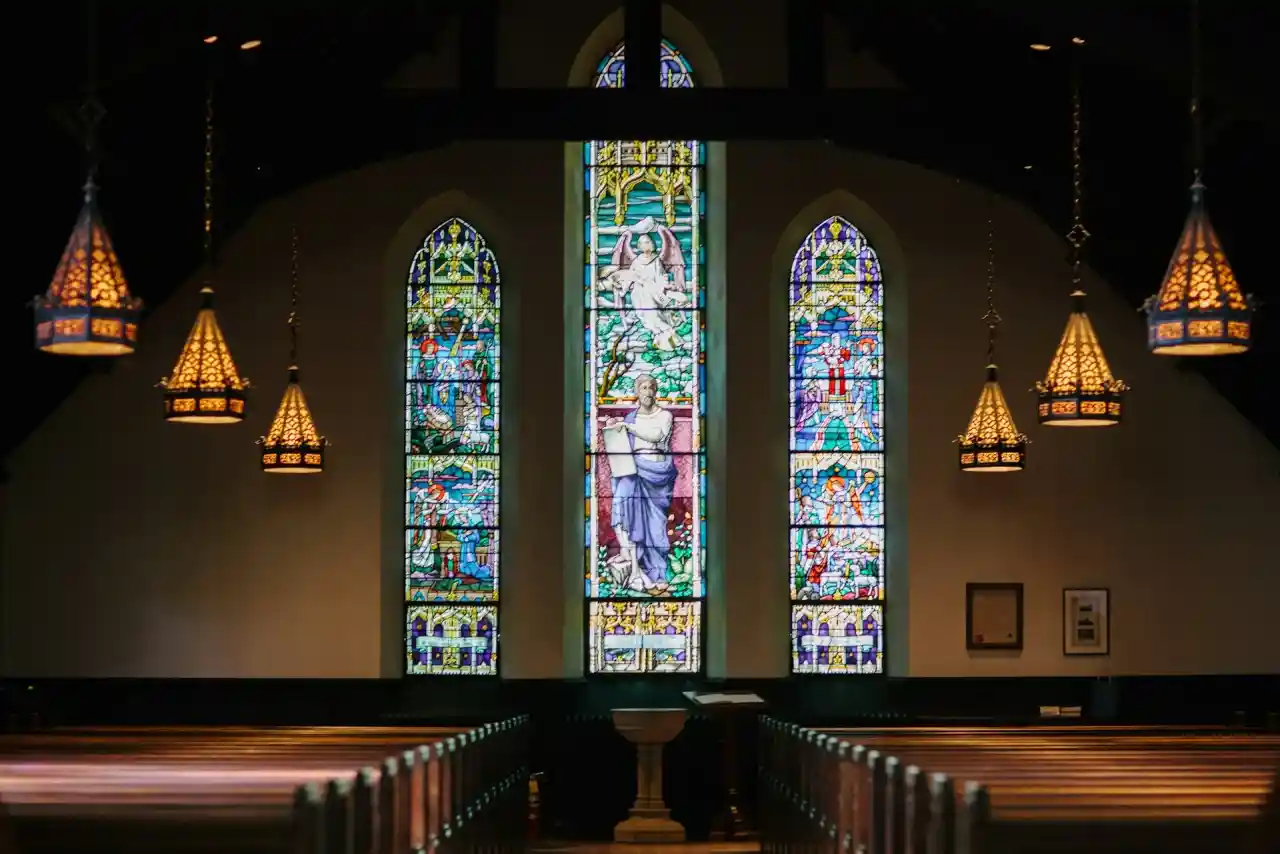
The most common mistake churches make is insuring their building at its tax-assessed value rather than its replacement cost. Church buildings with unique architectural features, stained glass, pipe organs, and custom woodwork often cost 2–3x their assessed value to rebuild. An insurance review should happen every 2–3 years or after any major renovation.
How to evaluate your church's coverage
Audit current policies
Gather all existing insurance policies. Note coverage limits, deductibles, exclusions, and annual premiums. Many churches discover gaps when they see everything in one place.
Assess your risk profile
Inventory your property (building replacement cost, contents, vehicles), staff count (full-time, part-time, volunteers), activities (youth programs, daycare, counseling), and special assets (stained glass, organs, historical features).
Identify coverage gaps
Compare your current coverage to your risk profile. Common gaps: building insured at assessed value instead of replacement cost, no D&O coverage for Board members, no abuse/molestation liability, insufficient umbrella limits.
Get quotes from church specialists
Request quotes from at least 2–3 providers who specialize in church insurance. Specialty providers understand church risks and often offer better coverage and rates than general commercial insurers.
Review and bind coverage
Have your finance committee review the proposals. Pay attention to exclusions, sub-limits, and deductibles, not just premiums. The cheapest policy may leave the most dangerous gaps.
Implement risk management
Many church insurers offer risk management resources: safety training, abuse prevention programs, and facility inspection checklists. Using these can lower your premiums and protect your congregation.
Who provides church insurance?
Church Insurance Specialists
Brotherhood Mutual, GuideOne, and Church Mutual specialize exclusively in insuring churches and religious organizations. They understand unique church risks, offer tailored coverage forms, and provide ministry-specific risk management resources.
Denomination Insurance Programs
Many denominations offer group insurance programs through preferred providers. The Southern Baptist Convention, United Methodist Church, and others negotiate group rates that can save 10–20% over individual policies.
Commercial Insurance Brokers
Independent brokers can shop your coverage across multiple carriers. Particularly valuable for large churches with complex risk profiles: multiple campuses, schools, daycare facilities, or international mission programs.
General Commercial Insurers
National carriers like State Farm, Nationwide, and Hartford offer commercial policies that can cover churches. Coverage may be less tailored to church-specific risks, but competitive for small churches with straightforward needs.
Frequently asked questions
Is your church properly protected?
Our team can connect you with church insurance specialists who understand your unique needs. Get a coverage review and competitive quotes.
No account required · Free · 100% confidential
Need help finding church insurance?
We're building partnerships with church insurance specialists. Leave your info and we'll connect you when we're ready.
Also worth exploring
Related church financing solutions
Church Real Estate Loans
Acquire property for your church with purpose-built lending, whether purchasing a building or raw land.
Church Mortgages
Long-term church mortgage financing: overview, rates, requirements, and how church mortgages differ from residential.
Church Construction Loans
Finance new builds, major expansions, and phased construction projects with draw-schedule lending.
In-Depth Guides on Church Insurance
- Church Insurance: The Complete Coverage Guide for 2026
Every insurance policy your church needs in 2026: property, liability, workers comp, D&O, umbrella, and abuse coverage: with typical costs and gaps.
11 min read