Typical Low End:6.37%

Korean church lending guide

Korean Church Loans

Korean American congregations are among the most active church builders in the country, heavily Presbyterian but also Methodist, Baptist, and independent. Your tradition, and whether you own or share your building, decide your lending path.

No account required  ·  Free  ·  100% confidential

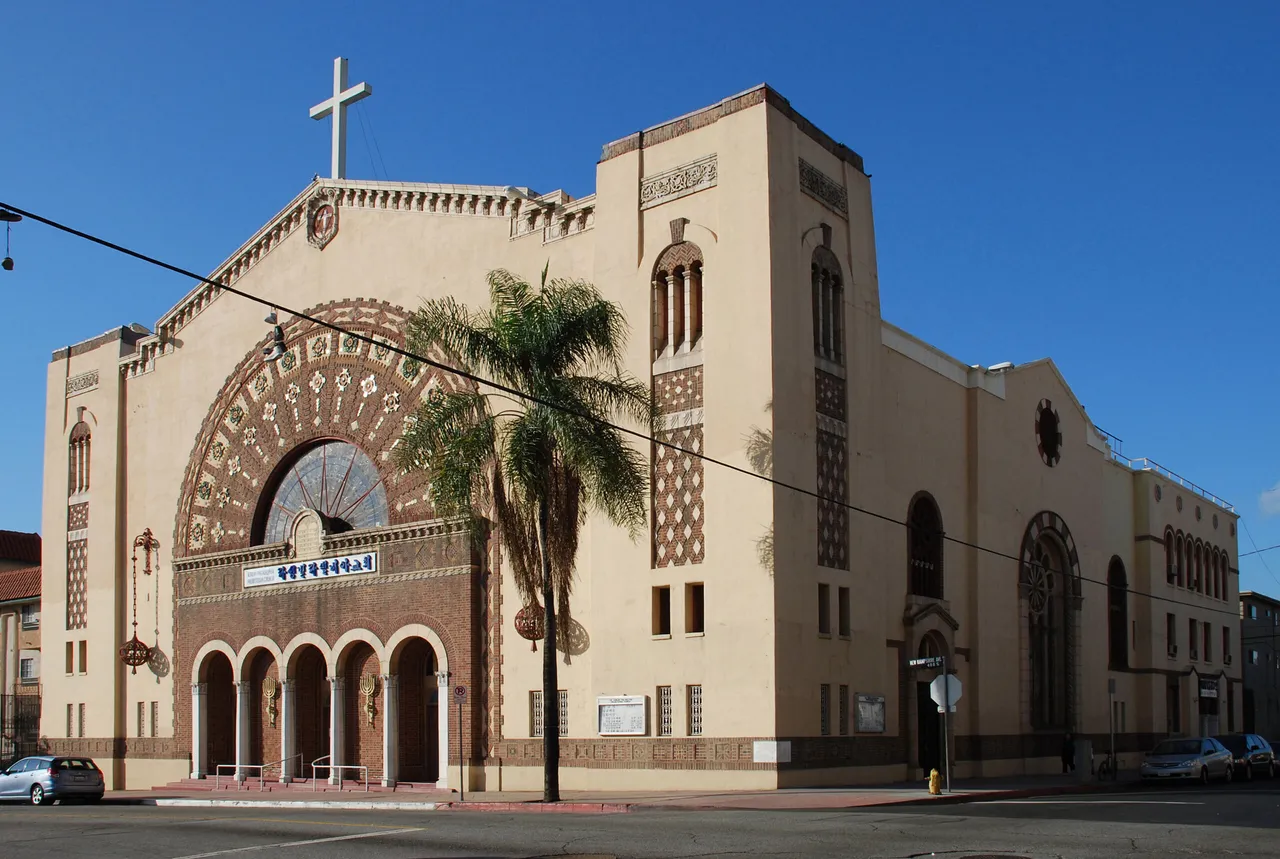
Korean church
3 lenders open across traditions
Hand-picked for your polity, not a directory dump
4,000+
Korean American congregations
$250K to $5M
Typical loan size
All-Christian
Lenders, across traditions

The lenders that fit

Lenders that fit your tradition and property

Not a directory dump. These lenders work across every tradition in this guide. Your affiliation and who holds title to your building decide which one is right.

Open to any Christian churchChristian credit union
AdelFi logo

AdelFi

AdelFi is the largest faith-based credit union in the United States and it lends to Christian churches regardless of denomination. That makes it a strong default whether your congregation is Presbyterian, Methodist, Baptist, or independent, with no denominational requirement to clear. Deposits are privately insured (ASI, not NCUA), and it offers a full ministry-banking relationship alongside the loan.

  • Open to Christian churches of any tradition
  • Privately insured deposits (ASI) plus a full ministry-banking suite
  • Strong fit for independent and shared-facility congregations

Loan range
By inquiry
Rate range
Request a quote
Lender type
Christian credit union
View AdelFi profile
Thrivent Church Financing logo
Thrivent Church Financing
Faith-based lender

Thrivent Church Financing is a century-old faith-based lender that has served more than 1,000 Christian churches of any denomination. It is a useful benchmark for any congregation, especially on a larger building program or a substantial purchase in a high-cost metro. Terms run from 3 to 30 years with no balloon payment, so the balance reaches zero at maturity and there is no need to re-qualify.

  • Serves Christian churches across all traditions
  • 3 to 30 year terms with no balloon payment
Loan range
$100K to $50M+
View profile
Griffin Church Loans logo
Griffin Church Loans
Private lender + conventional placement

Griffin Church Loans places conventional loans with lenders that specialize in church credit, and also lends its own money on private loans, with more than 2 billion dollars and over 2,000 closed church loans behind it. Private money goes up to 60% of the property's value and costs more than conventional financing; conventional loans go up to 80% for well-qualified churches. For a purchase in an expensive metro that runs several million dollars, it is one more source to price.

  • Private money it funds and holds, up to 60% of value
  • Conventional loans placed with church lenders, up to 80%
Loan range
$50K to $35M
View profile
Not sure which one fits your church?
Check your readiness in 5 minutes. We score your church on the seven factors lenders weigh, so you know where you stand before you call one.
Check your readiness free

Overview

Understanding Korean church financing

Korean American churches are among the most active and committed church communities in the United States, with an estimated 4,000 or more congregations. They are heavily Presbyterian, the single largest tradition among them, but also Methodist, Baptist, Pentecostal, and a large number of independent churches. Many are known for intense commitment, early-morning prayer, and a strong culture of sacrificial giving.

The single most important fact about Korean church lending is that a Korean church is not a denomination. Your lending path depends on your tradition and on whether you own, share, or rent your building. Presbyterian-affiliated Korean churches may sit under a trust clause via their presbytery, an independent or Baptist congregation owns its property outright, and many Korean churches that share a sanctuary with another congregation are working toward a building of their own.

How Korean church governance shapes lending

Governance affects your borrowing options

The lending landscape

Because Korean churches span many traditions, there is no single Korean church-loan fund. The path follows tradition. A large share of Korean churches are independent, non-denominational, or in traditions without a captive loan agency, and they borrow from the open Christian market, where a faith-based credit union like AdelFi, a faith-based lender like Thrivent Church Financing, or a specialty church lender like Griffin Church Loans are the usual options. High property costs in the metros where Korean churches concentrate make a competitive lender especially valuable, and pointing your search to in-network options keeps the field strong.

Governance & polity

Governance depends on tradition. A Korean Presbyterian church is elder-led and a Presbyterian-affiliated congregation may work within its presbytery and a trust clause, while an independent or Baptist Korean church owns its property outright. Korean Methodist and Baptist churches follow their own polities. Across traditions, Korean congregations are often marked by strong, committed lay leadership and a robust giving culture, which lenders view favorably. The practical questions are the same in each case: who owns the building, who is authorized to borrow, and whether the church shares or owns its facility, since many Korean congregations begin by renting space from an established church.

Typical loan profile

Average loan size
$250K to $5M
Common purpose
Building purchase, construction, or expansion
Average term
10 to 25 years
Typical LTV cap
65% to 75%

The honest assessment

Strengths and challenges for Korean churches

Financial strengths

  • A strong, often sacrificial giving culture that lenders view as a powerful signal of repayment capacity.
  • Committed, stable lay leadership and high participation that support a capital campaign.
  • Independent and Baptist Korean churches that own their building can pledge it directly, keeping collateral clean.
  • Freedom to shop the open Christian-lending market for the best fit and rate.

Common challenges

  • Korean churches concentrate in high-cost metros, where building purchases can be very large relative to congregation size.
  • Many Korean congregations share or rent space and have no real-estate collateral until they buy.
  • A Presbyterian-affiliated Korean church may work through the presbytery and a trust clause, adding steps.
  • Generational and language transitions between first and second-generation members can affect giving stability.

Actionable guidance

Korean church lending tips

1

Start with your tradition

If you are Presbyterian-affiliated, confirm how your presbytery and any trust clause shape the deal. If you are Baptist or independent, start with a faith-based credit union like AdelFi or a faith-based lender like Thrivent Church Financing.

2

Plan carefully for a high-cost purchase

If you are buying in an expensive metro, get more than one quote, and consider a specialty church lender like Griffin Church Loans for a large purchase, since even a small rate difference is significant on a multi-million-dollar loan.

3

Document your giving strength

A strong, sacrificial giving culture is one of your biggest advantages. Three years of clear, rising giving data makes that advantage legible to a lender and strengthens your file.

4

Sort out shared-facility arrangements

If you currently share or rent a sanctuary, lenders will want to understand your path to your own building. Buying gives you collateral and widens future options.

5

Confirm ownership and authority

Whether you own, share, or sit under a denomination, lenders need to know who holds title and who is authorized to borrow. Establish this before you apply.

Common questions

Korean church lending FAQ

Not a single one, because Korean churches span many traditions rather than forming one denomination. The right lender depends on your tradition, and for most Korean churches the open Christian-lending market is the path, where AdelFi and Thrivent Church Financing are strong starting points.

Yes. Lenders like AdelFi and Thrivent Church Financing regularly help congregations move from a shared or rented sanctuary into their own building, walking you through affordability in your market. Buying also gives you real-estate collateral, which improves your options for future financing.

Get more than one quote and consider a specialty church lender like Griffin Church Loans for a large purchase, since on a multi-million-dollar loan even a small rate difference matters. Your strong giving culture is a major asset, so document three years of giving data to present the strongest possible case.

In many Presbyterian traditions your property is held in trust for the denomination, and you may need presbytery approval to buy, sell, or mortgage it. Confirm your presbytery process early. A Baptist or independent Korean church owns its property outright and has no such restriction, and either way a lender like AdelFi can work with your structure.

Most church lenders cap loan-to-value around 65 to 75 percent, so plan to bring 25 to 35 percent as equity, which a strong giving culture and a capital campaign can often raise quickly. A high giving level relative to the loan size strengthens your case considerably.

Free · 5 minutes · No account

Does your church qualify for a loan?

Take the readiness assessment and see exactly where you stand on the seven factors lenders weight most, then compare the lenders below.

Start free assessment Browse your lenders
Sample readiness score
70/ 100
Qualifying
Sample church, illustrative
Collateral / LTV20/25
Debt Service Coverage20/25
Organizational Stability13/20
Cash Reserves7/10
Congregation Size7/10
Giving Trend3/5
Capital Campaign0/5