
Latest RatesBest Church Rate:5.80%+
Latest

Lutheran lending guide

Lutheran Church Loans

Roughly 16,000 Lutheran congregations across three synods, each with its own extension fund built to lend to its churches. The single most important question is which synod you belong to, because it shapes your natural lender.

No account required  ·  Free  ·  100% confidential

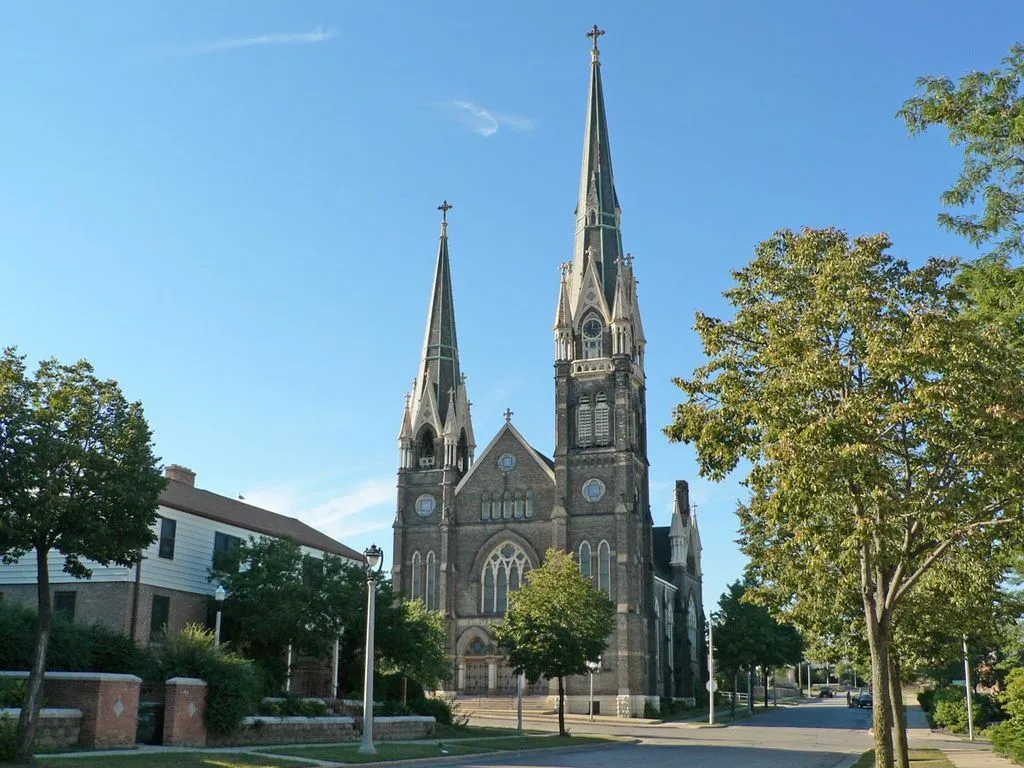
Lutheran church
4 lenders fit Lutheran churches
Hand-picked for your polity, not a directory dump
16,000+
Lutheran congregations (LCMS, ELCA, WELS)
3 synods
Each with its own extension fund
$250K to $3M+
Typical loan size

The lenders that fit

Lenders that serve Lutheran churches

Not a directory dump. These are the only lenders whose underwriting, terms, and denominational understanding actually fit a Lutheran congregation, ranked by relevance.

Best fit for LCMS churchesLCMS extension fund
Lutheran Church Extension Fund logo

Lutheran Church Extension Fund

Lutheran Church Extension Fund has served the Lutheran Church-Missouri Synod since 1978 and is the natural first call for any LCMS congregation. It offers secured congregation loans, single-closing construction loans, bridge loans against pledged funds, and New Start loans for first worship facilities, and it assigns a District Vice President to walk you through the process. Because LCEF understands LCMS ministries natively, it structures loans around how your congregation actually operates. Note that LCEF is a nonprofit religious organization, so its investments are not FDIC-insured.

  • Built for LCMS congregations, with a District Vice President as your guide
  • Construction and bridge loans close once, saving time and cost
  • New Start loans fund first worship facilities and ministry plants

Loan range
$25K to $20M+
Rate range
Request a quote
Lender type
LCMS extension fund
View Lutheran Church Extension Fund profile
Thrivent Church Financing logo
Thrivent Church Financing
Pan-Lutheran lender

Thrivent Church Financing grew out of the Lutheran fraternal tradition and lends to Christian churches of all sizes regardless of synod or affiliation, which makes it the in-network option for ELCA, WELS, and independent Lutheran congregations, as well as LCMS churches that want a second quote. Thrivent prefers to match the loan term to the amortization period, so the balance reaches zero at maturity with no balloon payment and no need to re-qualify.

  • Serves Lutheran churches of any synod, plus independents
  • Prefers no-balloon loans with term equal to amortization
Loan range
$100K to $50M+
View profile
AdelFi logo
AdelFi
Credit Union

AdelFi is a faith-based credit union that lends to any Christian church with no synod or denominational requirement, which makes it a clean alternative for a Lutheran congregation that wants a member-owned lender outside the synod funds. As a depositor-owned institution, its incentives sit with the church rather than capital markets.

  • No synod or denominational membership requirement
  • Member-owned credit union, not a profit-driven bank
Loan range
$100K to $5M
View profile
Church Capital Resources logo
Church Capital Resources
Broker

Church Capital Resources is a broker, not a direct lender. For a larger or more complex Lutheran project, or a congregation that is independent or between synods, it can put several capital sources side by side, including options beyond a single extension fund. You trade a broker fee for breadth of options.

  • Compares multiple capital sources in one process
  • Best for larger or more complex transactions
Loan range
Varies by lender
View profile
Not sure which one fits your church?
Get matched in 15 minutes. We score your church on the seven factors lenders weigh, then point you to the right one.
Get matched free

Overview

Understanding Lutheran church financing

Lutherans in the United States are organized primarily into three church bodies. The Evangelical Lutheran Church in America (ELCA) is the largest, with roughly 8,500 congregations. The Lutheran Church-Missouri Synod (LCMS) follows with about 6,000, and the Wisconsin Evangelical Lutheran Synod (WELS) adds around 1,250. Together they account for roughly 16,000 congregations, and the differences between them shape everything about how a church borrows.

That synod alignment is the single most important fact about Lutheran lending. Each of the three bodies runs its own extension fund created to lend to its congregations, so a Lutheran church usually starts with the fund built for churches like its own. In our network, the Lutheran Church Extension Fund serves LCMS congregations directly, while Thrivent Church Financing is rooted in the Lutheran tradition and lends to churches of any synod, which makes it the in-network option for ELCA, WELS, and independent congregations.

Lutheran churches benefit from a culture of institutional stability, strong stewardship education, and disciplined financial management. These traits make them attractive borrowers, and because most own their property outright without a denomination-wide trust clause, their loans are relatively straightforward to underwrite.

How Lutheran polity shapes lending

Governance affects your borrowing options

The lending landscape

Unlike denominations that depend on commercial banks, Lutherans built their own lending infrastructure: each of the three synods runs an extension fund, funded by investments from its members and lent back to its congregations, that understands Lutheran ministry natively and often beats commercial rates. The trade-off is that a synod fund generally lends only within its own synod, so affiliation narrows the field before you apply. In our network, the Lutheran Church Extension Fund covers LCMS congregations and Thrivent Church Financing covers any synod, with a faith-based credit union and a broker as additional options for churches that want to compare.

Governance & polity

Lutheran congregations are largely self-governing and, in most cases, own their property outright, without the denomination-wide trust clause that Methodist or Episcopal churches carry. Major decisions, including taking on debt, are typically approved by a vote of the congregation voters assembly rather than by a bishop or regional body. Lutheran-aware lenders build their process around this congregational rhythm and the documentation a voters assembly produces. Because the property is usually unencumbered, it serves as clean collateral, which is one reason Lutheran loans are relatively straightforward to underwrite. Note that some ELCA synods can assert a degree of oversight over property, so confirm your own title and synod relationship early.

Typical loan profile · Lutheran church

Average loan size
$250K to $3M+
Common purpose
Construction, renovation, accessibility, or refinance
Average term
10 to 25 years
Typical LTV cap
70% to 80%

The honest assessment

Strengths and challenges for Lutheran churches

Financial strengths

  • Each of the three synods runs a dedicated extension fund, so most Lutheran churches have a natural, mission-aligned lender from day one
  • Congregational property ownership without a trust clause means clean collateral and relatively straightforward underwriting
  • Extension-fund interest is recycled into loans for other Lutheran churches, and rates often beat commercial banks
  • A long stewardship tradition and stable giving culture give lenders deep, comparable data on Lutheran congregations

Common challenges

  • A synod fund generally lends only within its own synod, so a church between affiliations or outside the three main bodies has fewer natural options
  • Extension-fund investments are securities, not FDIC-insured deposits, which some congregations and members need to understand before participating
  • Membership decline across mainline Lutheranism, especially in the ELCA, can weigh on a congregation giving trend and loan file
  • Smaller synods and independent Lutheran churches have thinner dedicated resources and may need a pan-Lutheran or commercial lender

Actionable guidance

Lutheran church lending tips

1

Start with the fund built for your synod

If you are LCMS, the Lutheran Church Extension Fund is your natural first call and usually beats commercial rates. If you are ELCA, WELS, or independent, a pan-Lutheran lender like Thrivent Church Financing serves any synod. Begin there before a commercial bank.

2

Get a benchmark from a pan-Lutheran lender

Even with a strong extension-fund offer, a quote from Thrivent Church Financing gives you a benchmark and a fallback, which matters most on larger projects or if you are independent or between affiliations.

3

Get a facility assessment before you borrow

Many Lutheran churches have older buildings with deferred maintenance. A professional assessment surfaces every item up front so you can budget accurately rather than discovering surprises mid-project.

4

Understand how the investments are structured

Extension-fund certificates are securities, not FDIC-insured deposits. Read the offering circular and make sure your council and members understand the structure before you invest or borrow.

5

Document your voters assembly approval

Because borrowing runs through a congregational vote, lenders will want the minutes showing your voters assembly approved the amount, purpose, and repayment plan. Have them ready before you apply.

Common questions

Lutheran church lending FAQ

It depends on your synod. LCMS congregations should start with the Lutheran Church Extension Fund, which is built to lend to Missouri Synod churches and usually beats commercial rates. ELCA, WELS, and independent congregations can start with Thrivent Church Financing, a Lutheran-rooted lender that serves churches of any synod. A faith-based credit union like AdelFi or a broker are additional in-network options to compare.

Generally no. A synod extension fund is funded by members of its own body and lends within that synod, so LCEF serves LCMS congregations. If you are an ELCA, WELS, or independent Lutheran church, Thrivent Church Financing serves churches of any synod and is the in-network lender we work with for you.

Rates change with market conditions and depend on the loan type, term, and your congregation financial profile, so the funds quote you directly rather than posting a single public rate. LCEF assigns a District Vice President to provide a quote, and because the interest you pay is recycled into loans for other Lutheran churches, the rates are typically competitive with or better than commercial banks.

Yes, but giving trend matters more than membership count. Lenders look hardest at whether giving is stable and covers the proposed payment, so three years of clean financials and a few months of reserves strengthen your file even if attendance has softened. LCEF and Thrivent underwrite many smaller and mainline congregations and understand this reality.

In most Lutheran congregations, taking on debt requires approval by the voters assembly, the membership body that governs the church. Lenders will require documentation, usually the meeting minutes, showing that the assembly formally approved the loan amount, purpose, and repayment plan. A 60 to 90 day approval cycle is normal and does not concern a Lutheran-aware lender.

Free · 15 minutes · No account

Does your Lutheran church qualify for a loan?

Take the readiness assessment and see exactly where you stand on the seven factors lenders weight most, then get matched to the Lutheran-serving lenders that fit.

Start free assessment Browse your lenders
Sample readiness score
74/ 100
Solid candidate
Above the lending threshold
Collateral (LTV)84
Debt-service coverage72
Cash reserves69
Giving trend66
Governance readiness61